

Complete surrender to the Guru encompasses several dimensions, as elucidated in the Shri Sai Sat Charitra:
Devotion and Remembrance: This entails a total surrender of oneself while consistently recalling the Guru’s presence, with the necessity of continually chanting the Guru’s name.
Seeing the Guru in all beings: Engaging in meditation on the Guru allows one to perceive Him within every being, thereby bestowing eternal bliss. A true devotee regards every Guru as Krishna.
Lack of Egoism: This principle mandates the relinquishment of pride and ego, thereby surrendering to the Guru who resides within one’s heart. The removal of egoism and the complete trust in the Lord liberates one from worldly constraints.
Service: True surrender requires Sarvaswa Sharangati (total surrender) to the Sad-guru, where one must recognize that they are not the sovereign of their own body; rather, the body belongs to the Guru and exists solely to serve Him.
Faith and compliance: A disciple’s duty and dharma necessitate implicit and prompt adherence to the Guru’s directives.
Channeling Senses to the divine: Prior to indulging the senses, mind, and intellect in their respective pursuits, it is incumbent to remember the Guru; such remembrance serves as an offering to Him.
Experiencing Oneness: The individual who approaches the Guru achieves oneness with Him, akin to a river merging with the sea.
Desirelessness: The Guru liberates His devotees from desires, rendering them free.
Love: The Guru desires nothing but love for all sentient beings. Genuine love requires earnest affection; thus, where there is true yearning and feeling, God reveals Himself.
Mindfulness: Regularly chanting the Guru’s name and engaging in meditation fosters the ability to perceive Him in all beings, which in turn grants eternal bliss. A definitive indication of this practice is the attainment of a calm and peaceful mind.
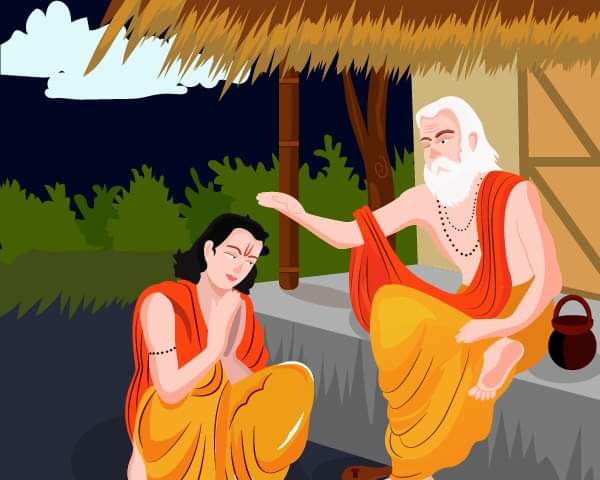
Complete surrender to the Guru involves
in

 Welcome to https://ShirdiSaiBaba.InterNational